


Game of Thrones: Conquest ™
4.328.67K Reviews
App Specs
- Version
- 26.7.828559
- Updated On
- License
- Free
- Downloads
- 10,000,000+
- Developer
- Warner Bros. International Enterprises
- Categories
- Strategy
- Platform
- Android, iOS
Screenshots


 Analysis by AppCompare
I tend to enjoy mobile strategy games most when they give me a reason to plan beyond the next tap, and a Westeros setting gives every decision a little extra character. Game of Thrones: Conquest™ is a free strategy game from Warner Bros. International Enterprises, built around growing a house, managing its resources, and competing for influence. Its familiar world is a strong draw, but the real question is whether its patient, social style suits the way you like to play.
Where the game stands now
The game has been available since October 17, 2017, and its current version is 26.2.822288. That history suggests an established live game rather than a new, self-contained campaign: players are entering a world with an ongoing community and systems that have had time to evolve. It has a 4.3 average from around 325,000 ratings and more than 10 million installs, so it clearly has a substantial audience, though popularity alone cannot tell you whether its pace will suit you.
The Teen age rating is worth keeping in mind, particularly if you are choosing a game for a younger player. It is free to download, while optional in-app purchases range from $0.99 to $99.99 per item. I would treat the upper end as a reason to set a spending limit before playing, not as a requirement for getting started. If you prefer games with a fixed price and no purchase prompts, this model may quickly become tiring.
What a long-running strategy game asks of you
The central appeal is a blend of kingdom management and player conflict, framed by the politics and rivalries associated with Westeros. Instead of finishing a short story and putting the game aside, you build up a position over time. That makes it easier to check in for a short session, but it also means that progress and competition can ask for attention beyond one sitting. I would approach it as a game to revisit, not a campaign to rush through in a weekend.
That distinction matters if you are deciding between this and a more contained strategy title. A puzzle strategy game usually gives you a clear board and a quick win-or-lose result; this game’s appeal is more about developing a house and responding to other players. If you want a neatly finished solo adventure, a campaign-based game is likely a better fit. If you enjoy watching a position grow and negotiating around changing rivalries, the persistent format has more room to hold your interest.
What returning and new players should expect
The release date and version show that the game has continued into a mature phase, but they do not, by themselves, establish which features changed or how a particular update affected play. I would not assume that a new player will encounter the same opening balance or community situation an early player did. The practical takeaway is to judge the game by the experience you find now: how clearly it introduces its systems, how active your chosen community feels, and whether its demands fit your routine.
If you already have an account, a later version can mean that the app itself has moved forward while your own priorities remain the same. Before committing to a new stretch of play, check what your current goals are and whether the game still fits the time you want to give it. For a newcomer, the tutorial is a useful starting point, but I would take it slowly and make sure I understand resource use and alliance expectations before treating every early offer or battle as urgent.
Worth Reading Before You Choose

EA SPORTS FC Mobile 26 Is a Bigger Football Game, but It Takes Time

Flipboard Shows What News Apps Must Do Beyond the Feed

Switching to Android Auto Means Rethinking Your Driving Routine

Google Calendar Makes a Crowded Week Easier to Manage

Ludo King Makes the Most of the Minutes Between Plans

Baby Panda World Brings Quick Play to Modern Phones, but Its Game Library Feels Busy
Good habits for playing without turning it into a chore
A practical way to keep the game manageable is to choose one purpose for each visit. I might log in to handle a building decision, check my resources, or coordinate with an allegiance, rather than trying to act on every available prompt. That small routine makes a sprawling strategy game easier to fit around work or school and helps prevent casual play from becoming a constant obligation.
For example, imagine opening the game during a lunch break. I would first check whether anything needs attention, decide whether there is enough time to make a useful move, and leave a complicated battle or alliance discussion for later. This is a better fit for the game than starting a long chain of decisions when you have only a few minutes. If you regularly feel pressured to stay online, that is a sign its persistent competition may not be relaxing for you.
Another useful habit is to decide on a spending rule before purchases appear tempting. The free entry point makes it easy to try the game, but optional packs can speed progress and the listed purchase range includes expensive items. I would set a personal ceiling—or choose not to buy anything—and treat faster advancement as a convenience rather than proof that spending is necessary. That approach keeps the strategy in your decisions instead of in your willingness to pay.
Alliances also deserve a little thought before you join one. Social coordination can make the conflict more engaging, but it brings expectations that a solo game does not. I would look for a group whose activity level matches mine and be candid about how often I can participate. A highly committed group may be the wrong choice for someone who only wants occasional sessions, even if its members are helpful.
The Quest for the Iron Throne
From the moment you start, Game of Thrones: Conquest™ immerses you in the cutthroat world of Westeros. You’re not just a passive observer here; you get to be a lord or lady vying for power, building your house, and plotting your way to the Iron Throne. The game kicks off with a detailed tutorial that eases you into its mechanics. Trust me, you’ll want to pay attention because there’s a lot going on.
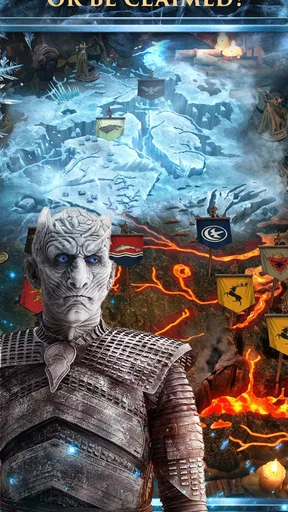
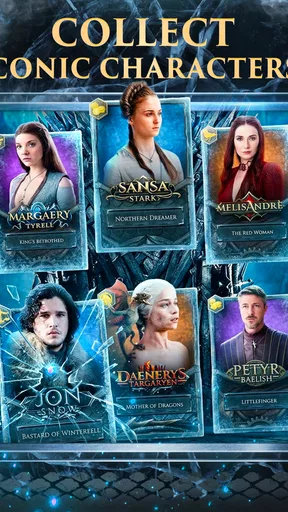
The storyline is captivating and follows the lore closely, which is a treat for fans of the series. You’ll recognize familiar faces and places, and the game does a stellar job of making you feel like a part of this expansive universe.
Building Your Kingdom
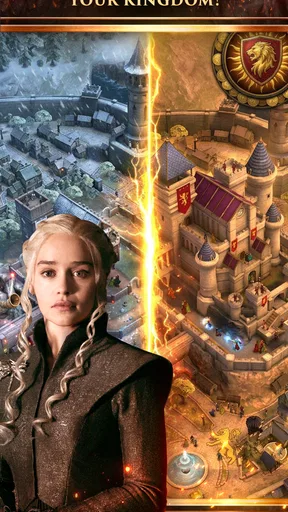
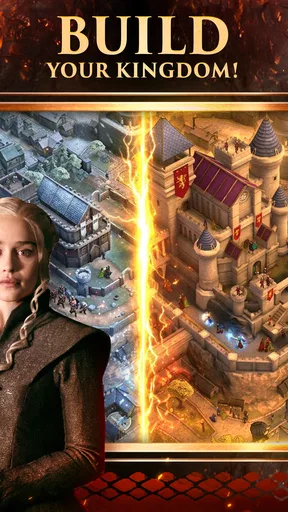
One of the core elements of the game is kingdom building. You start from scratch, gathering resources, constructing buildings, and training armies. It’s a classic strategy setup, but with a twist—there’s the ever-present threat of betrayal and alliances that can shift as quickly as the seasons in Westeros.
The mechanics are intuitive. You tap to build, upgrade, and manage your resources efficiently. There’s a satisfaction in watching your stronghold grow and knowing that every decision is a step towards dominance. However, be prepared for some waiting times as buildings and troops take time to complete. Patience is key here!
Alliances and Warfare
In Game of Thrones: Conquest™, forging alliances can mean the difference between victory and defeat. The game encourages you to join an allegiance, which can provide support in battles and resources. I found interacting with other players added a layer of depth and unpredictability—after all, you never know who might stab you in the back!
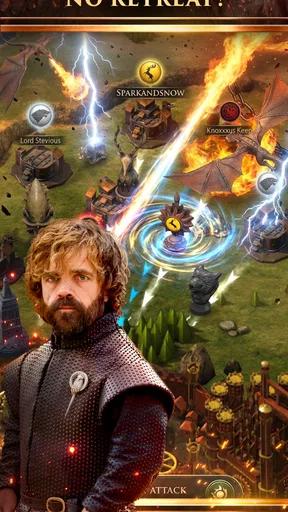
Combat is strategic and engaging. You’ll need to plan your attacks, manage your troops, and sometimes retreat to fight another day. The PvP aspect keeps things exciting, especially when you’re strategizing with your allies to take down a common enemy.
Graphics and Sound
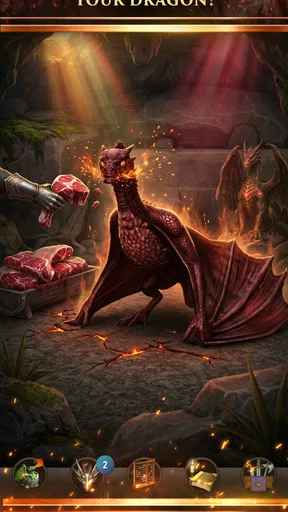
The game’s graphics are visually appealing, with detailed environments and character designs that stay true to the show. The soundtrack is equally impressive, with dramatic scores that enhance the gaming experience. It really feels like you’re in the middle of a Westeros battle with every sound and visual cue.
However, some may find that the game can be a bit demanding on their device’s battery. Make sure you have a charger handy if you plan on long gaming sessions!
In-App Purchases
Like many mobile games, Game of Thrones: Conquest™ includes in-app purchases. While it’s possible to progress without spending money, purchasing packs can speed up your growth and give you an edge. It’s a common feature in free-to-play models, but it’s something to be mindful of if you’re trying to stick to a budget.
Overall, the purchases offer convenience but aren’t necessary to enjoy the game. It’s all about balancing your resources wisely and leveraging your strategic skills.
So, whether you’re a die-hard fan of the series or just looking for a new strategy game to sink your teeth into, Game of Thrones: Conquest™ offers a compelling experience. Just remember, in the game as in the show, chaos isn’t a pit—it’s a ladder. Climb it wisely, and you might just find yourself seated on the Iron Throne.
Who will get the most from it
I would recommend it most to someone who likes the idea of being part of a shared strategy world, enjoys the show’s setting, and does not mind progress unfolding gradually. The recognizable houses and characters give fans an easy way into the atmosphere, while the combination of building and player interaction gives strategy-minded players more to consider than a sequence of isolated battles. You do not need to be deeply familiar with every plotline to understand the basic appeal, but the setting is a meaningful part of the experience rather than mere decoration.
On the other hand, I would steer away if you want a game that is reliably satisfying in a single, brief session, or one where every opponent is controlled by the game. Player-versus-player competition can bring surprises, but it also means other people’s decisions shape your experience. Someone who dislikes social coordination, waiting for upgrades, or the possibility that another player may disrupt a plan may be happier with a turn-based tactics game or a solo kingdom-building title.
Small decisions that make a difference
One trade-off I keep in mind is that resource efficiency and speed are not the same thing. When a building or troop action takes time, it can be tempting to spend simply to move on. I find it more satisfying to treat waiting as part of the planning: choose an upgrade that supports the next goal, then come back when it is useful to do so. That mindset makes the game feel less like a queue of timers and more like a sequence of choices.
It is also worth separating a dramatic battle from a worthwhile battle. The story’s tone makes conflict feel central, but a player-versus-player attack can have consequences for your resources and relationships with other players. Before committing, I would consider whether allies are involved and whether the objective is worth the exposure. Sometimes the strategic move is to hold back, strengthen your position, or coordinate first rather than chasing immediate action.
For anyone wondering whether it can be played casually, my answer is: to a point. The building and resource side can suit short check-ins, but the social and competitive side is less predictable. A casual player can make it work by choosing an appropriately relaxed allegiance and setting modest goals. If the group expects frequent coordination, the same game can start to feel like a second calendar to manage.
What to keep an eye on
Because this is a long-running game, I would pay attention to how the current version feels on your device and whether its present community matches your preferred pace. The version number is a sign of an ongoing product, not a promise that every change improves the experience for every player. For existing players, that means judging new play on its own terms; for newcomers, it means taking time to learn the current systems instead of relying on old advice that may no longer fit.
My overall view is that Game of Thrones: Conquest™ is at its best when I want a persistent, social strategy game with a setting I already care about. It is less convincing as a quick, self-contained game, and its waiting, player competition, and optional spending will not suit everyone. I would try it free, follow the tutorial carefully, and set clear boundaries around both time and purchases. If those conditions sound comfortable, it offers a distinctive way to build a place in Westeros; if not, a shorter solo strategy game is probably the better choice.
Pros
- Immersive storyline with familiar characters.
- Strategic gameplay enhances tactical thinking.
- Regular updates keep content fresh.
- Alliance system fosters community building.
- Visually stunning graphics and animations.
Cons
- Pay-to-win elements can be frustrating.
- Requires a stable internet connection.
- In-game purchases can be expensive.
- Resource management can be time-consuming.
- Occasional bugs disrupt gameplay.
FAQs for Game of Thrones: Conquest ™
What is Game of Thrones: Conquest™ about?
Game of Thrones: Conquest™ is a strategic mobile game where players build and manage their own house in the world of Westeros. You can engage in battles, form alliances, and navigate the political landscape to claim the Iron Throne. The game combines resource management, strategy, and PvP combat, all set in the iconic universe of Game of Thrones.
Is Game of Thrones: Conquest™ free to play?
Yes, Game of Thrones: Conquest™ is free to download and play. However, it offers in-app purchases that can enhance gameplay, such as buying resources, speed-ups, and exclusive items. These purchases can help you progress faster, but they are optional and not necessary to enjoy the game.
What devices are compatible with Game of Thrones: Conquest™?
Game of Thrones: Conquest™ is available for both Android and iOS devices. It requires Android version 6.0 or later, and iOS version 10.0 or later. Ensure your device meets these requirements for optimal performance. It is also recommended to have a stable internet connection for seamless gameplay.
How does the alliance system work in Game of Thrones: Conquest™?
Alliances are a crucial part of Game of Thrones: Conquest™. Players can join or create alliances to collaborate with others. Being part of an alliance provides support in battles and resource sharing, and can significantly enhance your strategic options. Communication and coordination with alliance members are key to dominating the game.
What strategies can help me succeed in Game of Thrones: Conquest™?
Success in Game of Thrones: Conquest™ involves balancing resource management, strategic building, and tactical combat. Focus on upgrading your keep and essential buildings, gather and protect resources, and train a strong army. Engaging in diplomacy and forming strong alliances will also be critical to outmaneuver rivals and claim the Iron Throne.


